Restorative Dentistry
Comfortable, precise extraction care for damaged or crowded teeth, performed by a team that puts your comfort first from start to finish.
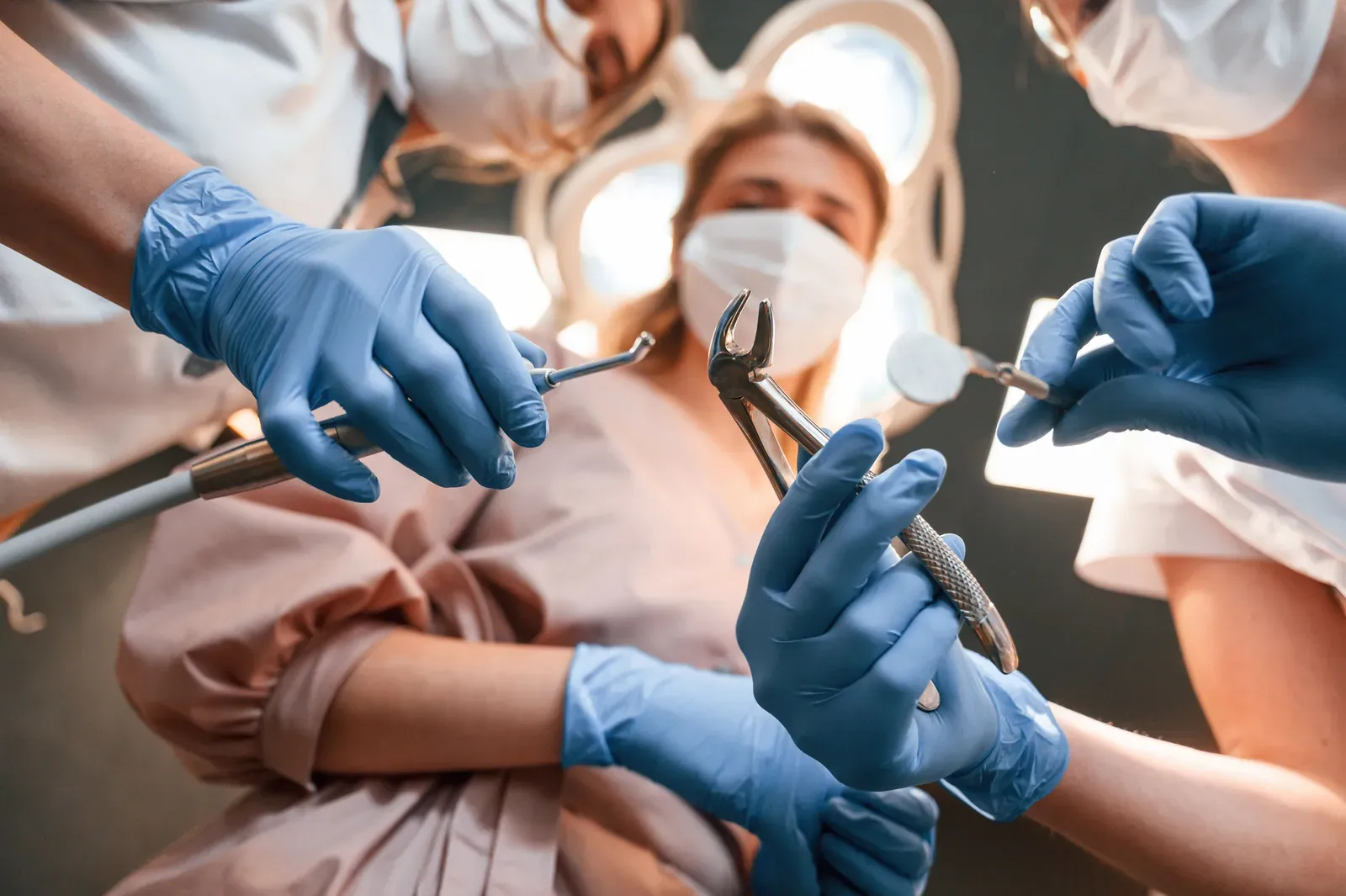
A tooth that is severely decayed, fractured below the gumline, or crowding your other teeth rarely gets better on its own. It becomes a daily source of discomfort - a sharp twinge when you bite down, a dull ache that flares up at night, or a nagging worry every time you smile for a photo. At Premier Dental Studio of Katy, tooth extractions are a core part of our restorative dentistry services because sometimes removing a compromised tooth is the safest and most direct way to protect the rest of your mouth.
Our approach begins with a full picture of what's happening beneath the surface. Digital X-rays and a hands-on clinical exam let us see exactly how a tooth's roots, surrounding bone, and neighboring teeth are affected before we ever discuss extraction as an option. We only recommend removing a tooth when it genuinely serves your long-term oral health, and we always walk you through what comes next, whether that's a dental implant, bridge, or simply healing time.
We know that even the word "extraction" can feel intimidating. That's why our Cinco Ranch team focuses on calm, unhurried appointments, clear communication, and modern numbing and sedation techniques so you feel informed and comfortable at every step, not just afterward.
Extraction is usually a last resort, but certain warning signs tell us that saving a tooth is no longer realistic or safe. The symptoms below show up differently from person to person, and some teeth cause very little discomfort right up until a bigger problem develops, which is why a professional evaluation matters even when pain is mild.
Because several of these symptoms can look and feel similar in the early stages, a thorough clinical and radiographic exam is the only reliable way to know whether a tooth can be saved or should be removed. Waiting too long can allow infection to spread to nearby teeth, bone, or even the bloodstream.
Most teeth that eventually need extraction didn't get there from a single event. Usually it's a combination of factors compounding over months or years, which is why our evaluation looks at the whole picture rather than treating one symptom in isolation.
Cavities left unaddressed can work their way past the enamel and dentin into the nerve chamber, often destroying so much of the tooth that restoration is no longer practical.
Chronic gum infection breaks down the bone and ligament that anchor a tooth in place, eventually leaving it too loose to function or save.
A sports injury, fall, or hard bite on something unyielding can fracture a tooth at or below the gumline in a way that makes repair impossible.
Third molars that don't have adequate room to erupt properly often become trapped against bone or neighboring teeth, creating chronic pressure and infection risk.
A recurring abscess means bacteria have established a foothold the body can't clear on its own, and this often signals that the tooth's internal structure is beyond repair.
When the jaw doesn't have enough space for every tooth, orthodontic treatment sometimes requires strategic removal of one or two teeth to achieve a healthy, stable bite.
A root canal, crown, or filling that has broken down or become reinfected can sometimes leave the remaining tooth structure too weak to restore again.
Every extraction at our Cinco Ranch office follows a clear, patient-centered sequence designed to minimize surprises and maximize your comfort from the moment you sit in the chair to your final follow-up visit.
We start by listening. You'll tell us about your pain, your medical history, and any concerns, and we'll explain what we expect to find before any treatment is recommended.
Digital X-rays reveal the position of the tooth's roots and its relationship to surrounding bone and nerves, letting us plan the safest, most efficient removal approach.
We outline exactly what to expect, discuss numbing and sedation options suited to your comfort level, and talk through replacement options like implants or bridges if needed.
Using local anesthesia and, when appropriate, sedation, we remove the tooth with careful, deliberate technique designed to protect surrounding tissue and reduce swelling afterward.
You'll leave with clear aftercare instructions, and our team checks in to make sure healing is on track and to discuss next steps for restoring your smile if replacement is planned.
Removing a problem tooth isn't just about stopping pain for a few days. Done correctly, it resolves the underlying issue so you can eat, sleep, and speak without the constant background worry a damaged tooth creates.
Once the source of infection or damage is removed, the sharp, radiating pain that often accompanies a failing tooth subsides within a short recovery window.
Extracting an infected tooth stops bacteria from spreading to adjacent roots and gum tissue, protecting the health of your remaining natural teeth.
Teeth that are loose, fractured, or painful make chewing on one side feel safer, which over time can strain your jaw. Removing the problem tooth restores balanced, comfortable function.
With the compromised tooth gone, we can plan a dental implant, bridge, or partial denture confidently, giving you a stable, long-term plan instead of ongoing uncertainty.
After a tooth is removed, the jawbone that once supported it begins to remodel almost immediately. Without intervention, this natural process can lead to bone loss in the area, which makes future replacement options like implants more complicated down the road. That's one reason we often discuss socket preservation at the time of extraction rather than waiting until a replacement is planned.
The first 24 to 72 hours after extraction are the most important for proper healing. A stable blood clot needs to form in the socket to protect the underlying bone and support new tissue growth. Disrupting this clot through smoking, vigorous rinsing, or drinking through a straw can lead to a painful complication called dry socket, which delays healing and often requires an additional visit.
Our team walks you through every detail of aftercare before you leave the office, because a smooth healing process now means fewer complications and a faster path to any restorative work you may choose later, whether that's an implant, bridge, or simply confirming the area has healed well.
Good aftercare habits make a meaningful difference in how comfortably and quickly you heal after an extraction. These simple steps support the clinical care you receive, though they are never a substitute for following your dentist's specific instructions.
Firm, steady pressure for the first hour helps the blood clot form properly and controls initial bleeding.
Applying ice to the outside of your cheek in short intervals helps keep swelling down during the first day.
Yogurt, mashed potatoes, and soup reduce irritation to the extraction site while you heal over the following days.
Suction from straws or cigarettes can dislodge the healing blood clot and lead to painful dry socket complications.
A gentle warm saltwater rinse, started a day or so after surgery, helps keep the area clean without disturbing healing tissue.
Following your prescribed pain management and antibiotic schedule closely helps prevent infection and keeps discomfort manageable.
These habits support a smooth recovery, but any unusual swelling, fever, or pain that worsens after a few days should always be evaluated by our team right away rather than managed at home alone.
"We never treat an extraction as routine. Every patient who sits in our chair gets our full attention, a clear explanation, and a plan for what comes after, so you leave feeling cared for, not just treated."
Straightforward answers to the questions we hear most often from Cinco Ranch patients facing a tooth extraction.
Schedule your visit today and experience boutique, personalized dental care designed around you.

 6940 Katy-Gaston Rd Ste 200, Katy, TX 77494
 (281) 271-5100
