Restorative Dentistry
Calm, precise endodontic care that stops tooth pain at its source and keeps your natural smile intact for years to come.
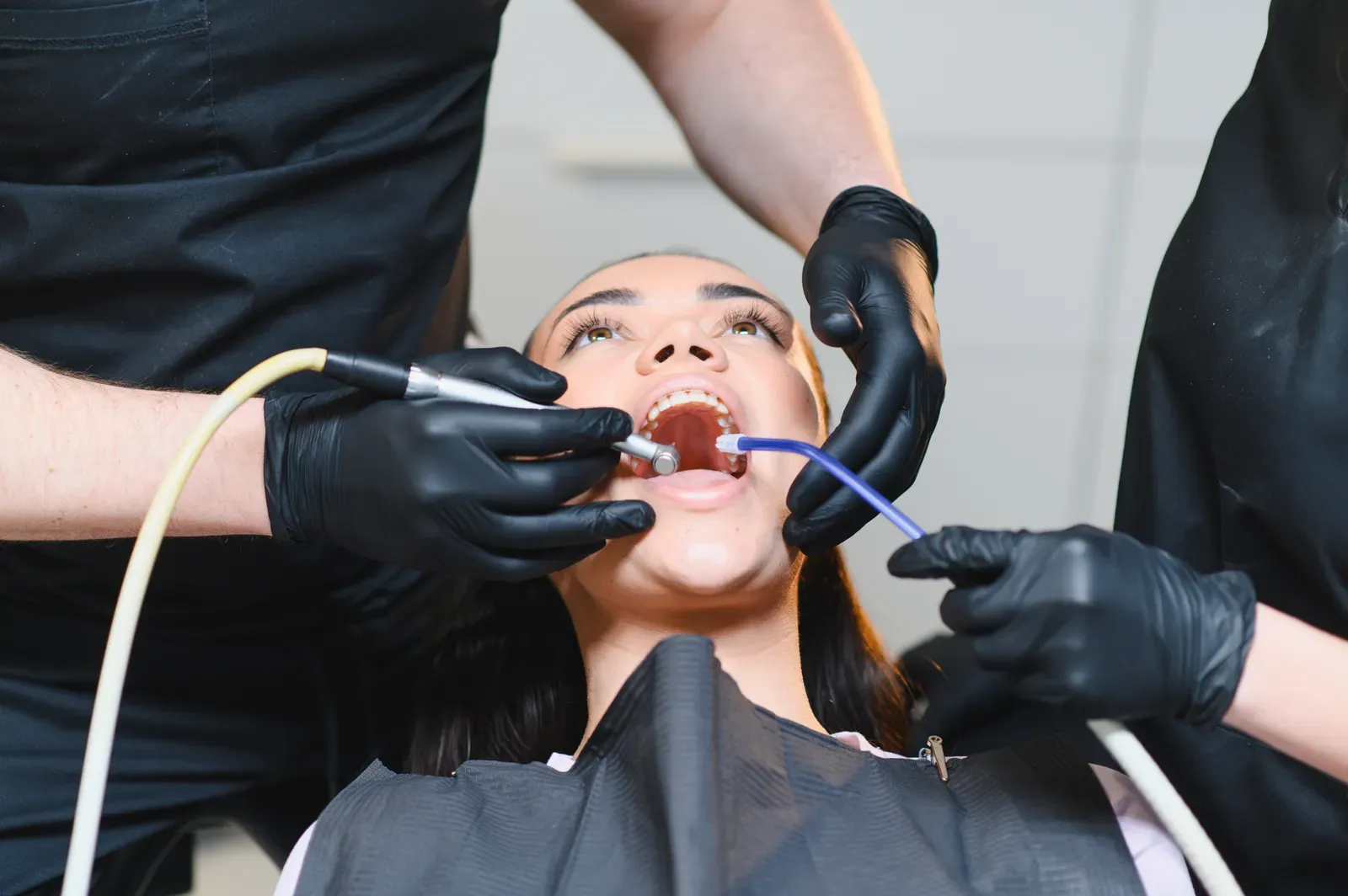
Deep inside every tooth sits a soft chamber of nerves, blood vessels, and connective tissue called the pulp. When decay, a crack, or repeated dental work allows bacteria to reach that chamber, the result is often a dull ache that grows sharper, throbbing pain that wakes you up at night, or a tooth that reacts painfully to hot coffee and cold water alike. At Premier Dental Studio of Katy, root canal therapy is one of the core services within our Restorative Dentistry program, and it exists for exactly this moment: to remove the source of infection, calm the pain, and give you back a tooth you can rely on for chewing, speaking, and smiling.
We understand that the words "root canal" carry a reputation that rarely matches the modern reality. With current anesthetic techniques, precise instrumentation, and a team that genuinely prioritizes your comfort, most patients describe the appointment as remarkably similar to getting a routine filling. Our clinical philosophy centers on thorough diagnosis first: we want to confirm the infected tooth, rule out complicating factors, and walk you through exactly what to expect before any instrument touches your tooth.
Left untreated, an infected tooth does not resolve on its own. The infection can spread to the surrounding bone, cause a painful abscess, and eventually make the tooth impossible to save without extraction. Root canal therapy interrupts that progression, preserves your natural tooth structure, and restores normal function so daily living in Cinco Ranch, whether that means enjoying a family dinner or a good night's sleep, no longer revolves around tooth pain.
Pulp infections present differently from one patient to the next. Some people experience intense, unmistakable pain, while others notice only subtle changes that are easy to dismiss until the problem worsens. Recognizing these warning signs early allows us to intervene before the infection spreads or the tooth becomes unsalvageable.
Because some infections progress silently, we recommend a prompt evaluation anytime you notice one or more of these signs. A thorough exam and digital X-ray allow us to confirm the diagnosis early, when treatment is simpler and more conservative, rather than waiting until the infection has advanced significantly.
Pulp damage rarely happens overnight. It is typically the end result of one or more contributing factors that compound over time, which is why a careful clinical history is such an important part of your evaluation.
Cavities that go unaddressed for months or years gradually work their way through enamel and dentin until bacteria reach the pulp chamber, triggering inflammation and infection.
A crack from biting on something hard, grinding, or a sports injury can create a direct pathway for bacteria to reach the nerve, even without any visible cavity.
A direct blow to the mouth from a fall or accident can damage the nerve internally, sometimes causing pulp death weeks or months after the initial injury appears to have healed.
Teeth that have been filled, re-filled, or crowned multiple times accumulate cumulative stress on the pulp, making them more vulnerable to eventual infection.
Advanced periodontal infection can travel down along the root surface and reach the pulp chamber from below, especially in teeth with existing bone loss.
Sometimes small, repeated irritations accumulate over the years without ever causing noticeable symptoms until the pulp finally becomes overwhelmed and inflamed.
Sustained biting force from bruxism can cause microscopic cracks to form over time, creating entry points for bacteria and accelerating nerve breakdown.
Every root canal we perform is tailored to the specific tooth, its anatomy, and the extent of infection present. Here is what the journey from diagnosis to a fully restored tooth typically looks like at our Katy practice.
We start by listening. You describe your symptoms, when they started, and what makes them better or worse, which gives us the first clues about which tooth is affected and how urgent your care needs to be.
Digital X-rays and cold or percussion testing help us confirm the extent of the infection, check for abscess formation, and determine whether the tooth can be successfully treated and saved.
We explain exactly what the procedure will involve for your specific tooth, discuss anesthesia options for your comfort, and schedule the appointment in a timeframe that matches the urgency of your symptoms.
After the area is fully numbed, we carefully remove the infected pulp tissue, clean and shape the inner canals, and seal them to prevent reinfection, then place a protective restoration to seal the tooth.
We schedule a follow-up visit to confirm the tooth is healing properly and to place a permanent crown if needed, giving the restored tooth the strength to function normally for years ahead.
Successful root canal therapy does far more than mask discomfort for a few days. It resolves the underlying infection at its source and gives your tooth a genuine, long-term path back to normal function.
Once the infected tissue is removed, the throbbing and sensitivity that disrupted your sleep and meals subsides, often within just a few days of treatment.
Keeping your natural tooth preserves normal chewing patterns and bone support, avoiding the additional treatment and cost that come with extraction and replacement.
Once restored with a crown or filling, the treated tooth can handle normal biting forces again, so you can return to eating the foods you enjoy without hesitation.
Treating the infection early stops bacteria from spreading to the jawbone or adjacent teeth, protecting your broader oral health in the process.
Many patients delay treatment hoping the pain will pass on its own, and sometimes it does seem to fade temporarily. That quiet period is often misleading: it can mean the nerve has died rather than healed, and the infection continues advancing silently toward the bone beneath the tooth.
As infection progresses, it can form an abscess, a localized pocket of pus at the root tip, which puts pressure on surrounding bone and tissue. This stage is typically more painful, harder to treat conservatively, and sometimes requires additional procedures beyond the root canal itself to fully resolve.
By seeking care at the first sign of lingering sensitivity or discomfort, you give us the best opportunity to treat the tooth while the infection is still limited to the pulp chamber. This generally means a more straightforward procedure, a faster recovery, and a stronger long-term outcome for the tooth.
While root canal therapy addresses the infection itself, a few simple habits at home can help your tooth heal comfortably and protect your results for the long run.
Chew on the opposite side of your mouth until your permanent crown or filling is placed, protecting the temporary restoration from fracture.
Mild soreness for a day or two is normal, and standard over-the-counter pain relievers usually manage it well as directed.
Continue brushing twice daily with a soft-bristled brush, being gentle around the treated tooth while it settles.
Don't delay your follow-up restoration appointment, since a treated tooth left without permanent protection is more vulnerable to fracture.
Mild tenderness is expected, but noticeable swelling or fever after treatment should be reported to our team right away.
Routine visits let us confirm the treated tooth continues to heal properly and that no new issues develop around it.
These habits support a smooth recovery, but they are never a substitute for professional evaluation. Always reach out if something feels different than expected after your procedure.
"We know tooth pain can be exhausting, both physically and emotionally. Our goal in every root canal appointment is simple: calm the discomfort quickly, treat the infection thoroughly, and help you leave feeling genuinely relieved rather than anxious."
Answers to common questions our Cinco Ranch patients ask before and after root canal therapy.
Schedule your visit today and experience boutique, personalized dental care designed around you.

 6940 Katy-Gaston Rd Ste 200, Katy, TX 77494
 (281) 271-5100
