Restorative Dentistry
Permanent, natural-looking tooth replacement built to restore your bite, your confidence, and your daily comfort for years to come.
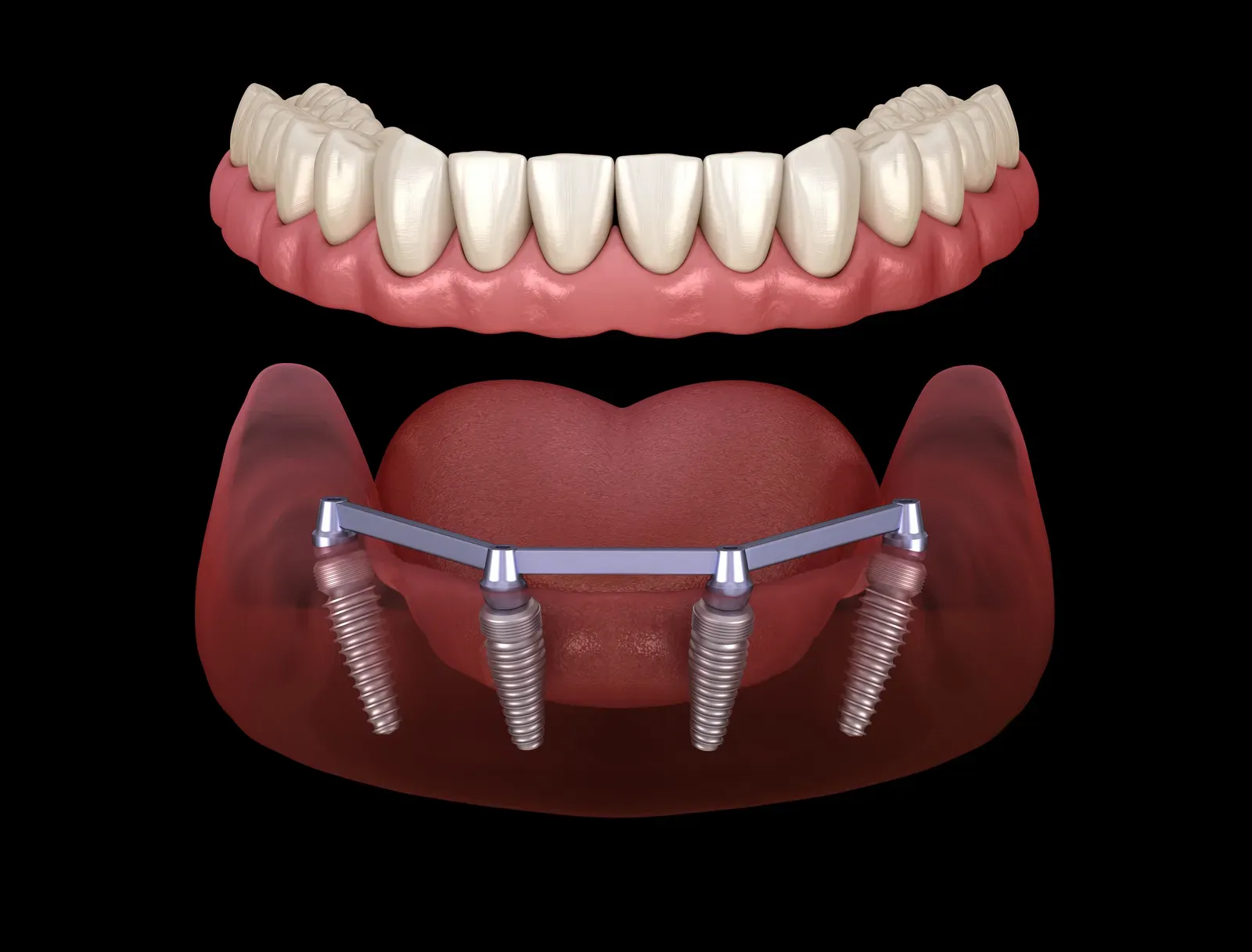
Losing a tooth changes more than your smile. It changes how you chew, how your jawbone receives stimulation, and how confidently you speak or laugh in front of others. Over time, an empty socket allows surrounding teeth to shift, bone density to decline, and your bite to become uneven, which can trigger discomfort in the jaw joint and make everyday eating more difficult than it needs to be.
Dental implants address the problem at its source rather than simply covering it up. A titanium or zirconia post is placed into the jawbone where the tooth root used to be, and once it fuses with the bone through a process called osseointegration, it becomes a permanent anchor for a custom crown, bridge, or denture. The result functions, feels, and looks like a natural tooth because it is rebuilt the way nature intended, from the root up.
At Premier Dental Studio of Katy, we take a measured, diagnostic-first approach to implant dentistry. Every treatment plan begins with a thorough evaluation of your bone volume, gum health, and bite alignment so the implant we place is positioned for long-term stability, not just a quick fix. For patients throughout Cinco Ranch, that means a tooth replacement option built to last, not one you'll be revisiting in a few years.
Tooth loss doesn't always arrive as a single dramatic event. It often shows up gradually through discomfort, changes in appearance, or small functional frustrations that build over time. Here are common signs that it may be time to discuss implants with our team.
Not every sign above applies to every patient, and some overlap with other dental issues entirely. A thorough clinical exam and imaging session are the only reliable way to confirm whether implants are the right next step for your mouth, which is why we never recommend treatment without first assessing your bone structure and overall oral health.
Understanding why a tooth was lost helps us plan implant treatment that prevents the same issue from affecting your new restoration. Several factors commonly contribute to the need for implant dentistry.
Untreated periodontal infection breaks down the bone and ligaments holding teeth in place, eventually causing them to loosen and fall out entirely.
When a cavity reaches the tooth's nerve and infection spreads, extraction sometimes becomes the only option left to protect surrounding tissue.
A sports collision, fall, or accident can fracture a tooth below the gumline, making restoration impossible without full replacement.
Years of wearing an unsupported denture or leaving a gap untreated causes the jawbone beneath it to resorb and thin out gradually.
Persistent clenching places excessive force on teeth, sometimes cracking them at the root or loosening them from the surrounding bone over time.
Smoking restricts blood flow to the gums, slowing healing and accelerating bone and tooth loss far faster than in non-smokers.
Implant treatment unfolds over several appointments spaced out to allow proper healing. Here is what you can expect at each stage of care with our team.
We review your dental history, discuss your goals, and answer questions about timelines, sedation options, and what to expect at every stage of treatment.
Detailed 3D imaging and a gum tissue assessment let us measure available bone volume and plan the exact position and angle for implant placement.
We outline whether bone grafting is needed, select the implant system best suited to your case, and map out a realistic timeline from placement to final crown.
The implant post is placed precisely into the jawbone under local anesthesia, with sedation available for patients who want added comfort during the procedure.
After several months of osseointegration, we attach a custom crown, bridge, or denture and schedule follow-up visits to confirm your bite feels natural and comfortable.
A well-placed implant does more than fill a gap. It restores function and stability that patients often didn't realize they had lost until it was returned to them.
Because the implant fuses directly with the jawbone, it withstands normal biting forces the way a natural tooth root does, letting you eat without hesitation.
The implant post stimulates the bone just as a natural root would, slowing or stopping the gradual bone loss that follows untreated tooth loss.
Custom-shaded crowns are matched to your surrounding teeth so the restoration blends in rather than standing out as an obvious replacement.
Unlike a traditional bridge, an implant stands independently and doesn't require grinding down adjacent healthy teeth for support.
A stable, properly fitted implant eliminates the slipping and whistling sounds that often come with loose dentures or gaps between teeth.
With proper care, implants are designed to last decades, making them one of the most cost-effective long-term solutions for missing teeth.
An implant's long-term stability depends almost entirely on the quality and quantity of bone available to receive it. When a tooth has been missing for an extended period, the jawbone in that area naturally begins to shrink since it no longer receives stimulation from a root. This is why patients who wait years before addressing tooth loss sometimes require additional preparation before implant placement can move forward.
In cases where bone volume has declined, a bone graft can rebuild the foundation needed for a secure implant. This typically adds a few months to the overall timeline but significantly improves the odds of long-term implant success. We always discuss this possibility during your initial evaluation so there are no surprises once treatment begins.
Patients who address tooth loss sooner rather than later often avoid the need for grafting altogether, which is one reason we encourage anyone missing a tooth to schedule an evaluation promptly rather than waiting until a gap becomes a bigger structural problem.
Implants don't get cavities, but the gum tissue and bone around them still need consistent care to stay healthy for the long run.
These habits support your implant between visits, but they're not a substitute for professional monitoring. Routine checkups let us catch early signs of gum inflammation or bone changes before they become bigger problems.
"Patients often tell us they wish they'd replaced their missing tooth sooner. Watching someone bite into an apple again without thinking twice is exactly why we do this work."
Answers to common questions our Cinco Ranch patients ask about dental implant treatment.
Schedule your visit today and experience boutique, personalized dental care designed around you.

 6940 Katy-Gaston Rd Ste 200, Katy, TX 77494
 (281) 271-5100
