Dental Implants
Clear, honest guidance on dental implant pricing in Cinco Ranch, from initial evaluation to final restoration, so you can plan with confidence.
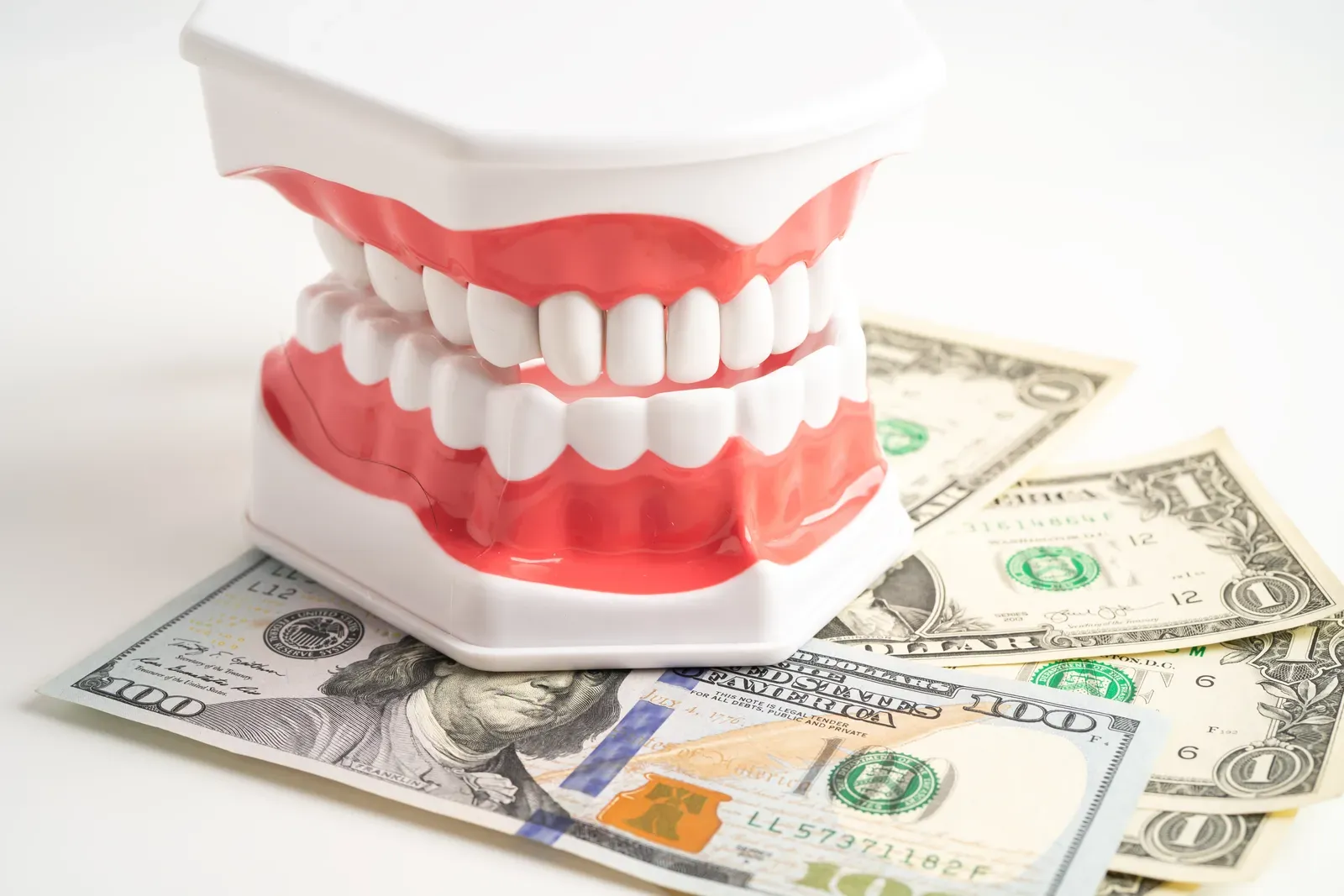
Losing a tooth, or several, changes more than your smile. It affects how you chew, how your jawbone holds its shape over time, and how confident you feel speaking or laughing in front of others. Dental implants remain the only tooth replacement option that replaces the root as well as the crown, which is why patients across Cinco Ranch ask us about the cost of dental implants before they ask almost anything else. It is a fair question, and one that deserves a straightforward answer rather than a vague estimate.
At Premier Dental Studio of Katy, implant pricing is never a single flat number pulled from a brochure. It reflects your specific anatomy, the number of teeth being replaced, the condition of your jawbone, and the type of restoration that will give you the strongest, most natural-feeling result. We walk every patient through these variables during a comprehensive consultation so the figures make sense before any treatment begins.
Our clinical philosophy centers on transparency and long-term value. A dental implant, placed correctly and maintained well, can last decades. We would rather spend extra time explaining your options and their true costs upfront than have you face surprises later. That approach has guided how we structure every implant consultation we offer in Cinco Ranch.
Not every missing tooth situation calls for the same solution, and cost often follows directly from what your mouth needs clinically. These are common circumstances that typically point toward implant therapy, and understanding them can help you have a more productive first conversation with our team.
Every one of these situations carries a different treatment path, and that path is what ultimately shapes your final cost. A thorough clinical evaluation, rather than guesswork, is the only reliable way to understand what your specific case requires before complications such as bone loss make treatment more extensive and more expensive.
Implant pricing is rarely one line item. It is a combination of several clinical factors that, together, determine the total investment. Understanding each one helps you see exactly where your money goes and why two patients can have very different quotes for what seems like a similar procedure.
A single implant crown costs less than an implant-supported bridge or a full-arch solution. Replacing several teeth at once can actually reduce the per-tooth cost because fewer implants anchor the entire restoration.
If bone has thinned from long-term tooth loss, a bone graft or sinus lift may be needed before placement. This added step improves implant stability and does affect overall treatment cost.
A single crown, an implant-retained bridge, and a full-arch implant denture each require different materials, lab work, and chair time, which naturally changes the final price point.
Titanium and zirconia implant posts carry different price points and are suited to different clinical situations, including gum sensitivity and esthetic priorities in the smile line.
Tooth extractions, gum disease treatment, or sinus augmentation performed ahead of implant placement add time and cost but are essential for a durable, long-lasting result.
3D cone beam CT scans allow precise, guided implant placement and reduce surgical risk. This technology is part of accurate planning and is factored into the overall treatment fee.
Patients who choose sedation dentistry for comfort during surgery will see that reflected as a separate line item, though many find the added ease well worth it.
We built our implant process around clear communication so you always know what comes next, clinically and financially. Here is what to expect as your treatment plan, and your final cost, comes into focus.
We start by listening. You tell us about your goals, concerns, and budget, and we explain in plain language how dental implants work and what your realistic options are.
Digital X-rays and 3D imaging let us assess your jawbone density, gum health, and the exact position needed for implant placement before we quote any number.
You receive a written plan detailing each phase of treatment, from any needed grafting through final restoration, along with a transparent cost for every stage involved.
Our team reviews your dental insurance benefits and presents financing programs so you can select a payment structure that fits comfortably into your monthly budget.
Once you approve the plan, we proceed with placement and restoration, then schedule follow-up visits to confirm your implant is healing properly and functioning as expected.
A dental implant costs more upfront than a removable denture or traditional bridge, but the comparison looks different once you account for durability, bone preservation, and how rarely implants need to be replaced or adjusted.
With proper care, an implant post can last a lifetime, while the crown on top typically holds up for fifteen to twenty-five years, far outlasting a bridge or denture.
Because the implant replaces the tooth root, it continues stimulating the jawbone the way a natural tooth would, preventing the facial collapse often seen with long-term denture wear.
Bridges and dentures typically require relining, repair, or full replacement every five to ten years. Implants avoid much of that recurring expense once they are placed.
Unlike a traditional bridge, an implant does not require grinding down healthy adjacent teeth for support, which protects your overall long-term dental health and future costs.
Patients sometimes choose a lower upfront price on a denture or bridge without accounting for the maintenance that follows. Dentures need periodic relining as the jawbone naturally shrinks beneath them, and many patients find themselves needing a replacement set within seven to ten years. A bridge, meanwhile, relies on the health of the teeth anchoring it, and if one of those teeth later develops decay or fails, the entire bridge may need to be redone.
Dental implants sidestep much of this cycle because the titanium or zirconia post fuses directly with your jawbone through a process called osseointegration. That fusion creates a stable foundation that does not depend on neighboring teeth and does not shift the way a removable appliance can. Over a ten- or twenty-year period, many patients find that the total cost of ownership for an implant compares favorably to repeated denture or bridge adjustments, even though the initial number looks larger on paper.
We discuss this long-view comparison openly during consultations because we want you making a decision based on complete information, not just the number at the bottom of a treatment estimate. Sometimes a bridge or partial denture is genuinely the right clinical choice for your situation, and we will tell you so.
Once your implant is placed and restored, a few consistent habits go a long way toward protecting the value of your treatment and avoiding costly repairs down the road.
Clean the implant crown and gumline just as carefully as your natural teeth to prevent gum inflammation around the implant site.
Routine checkups let us catch minor bite changes or gum irritation early, before they turn into a larger clinical issue.
If you grind or clench your teeth at night, a custom nightguard helps protect your implant crown from excess force.
Ice, pen caps, and hard candy can chip or stress an implant crown just as they can a natural tooth.
Peri-implantitis, a gum infection around implants, is preventable with good hygiene and regular professional cleanings.
A loose crown or mild discomfort should be reported right away rather than waiting, since early attention keeps repair costs low.
These habits support the long-term success of your implant, but they are not a substitute for professional monitoring. Our team remains your partner in making sure your investment continues performing well for years to come.
"We never want cost to feel like a mystery. Every patient leaves our office with a clear, written breakdown of what their implant treatment involves and what it costs, before a single procedure is scheduled."
Straight answers about dental implant pricing, insurance coverage, and financing in Cinco Ranch, Texas.
Schedule your visit today and experience boutique, personalized dental care designed around you.
 6940 Katy-Gaston Rd Ste 200, Katy, TX 77494
 (281) 271-5100
