Restorative Dentistry
Protect a weakened tooth and restore its strength, shape, and natural appearance with a custom-fitted crown crafted for lasting comfort.
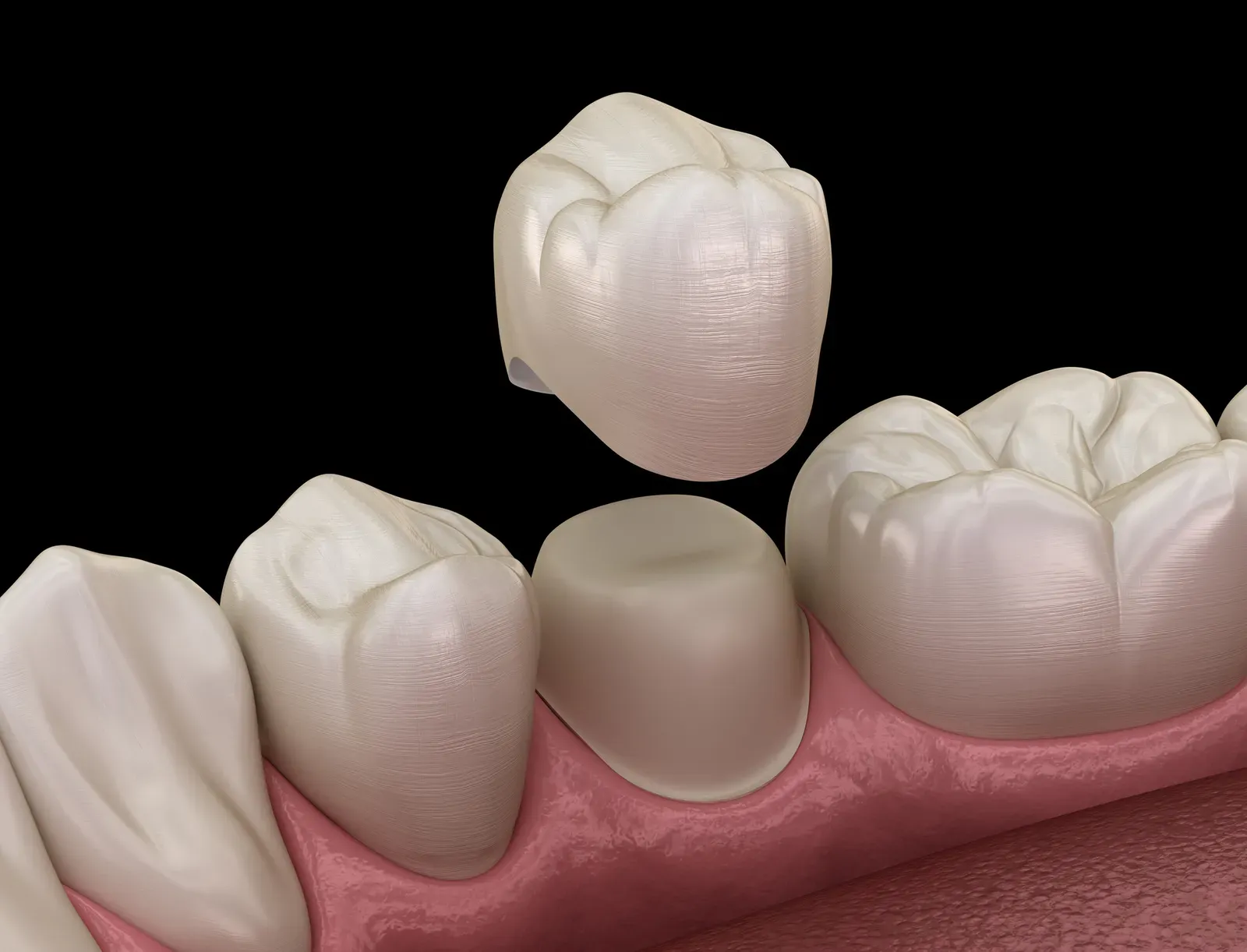
A tooth that has suffered a large cavity, a fracture, or significant wear can no longer rely on a filling alone to carry the daily forces of chewing. Once that much structure is lost, the remaining tooth becomes fragile and prone to further breakage, sometimes without warning. A dental crown solves this problem by covering the entire visible portion of the tooth, essentially recreating its shape and shielding it from the pressure that would otherwise cause it to crack or wear down further.
We know that a cracked tooth or a nagging ache can disrupt more than your smile. It can make you avoid certain foods, chew on one side of your mouth, or feel self-conscious when you laugh. Our team at Premier Dental Studio of Katy approaches every crown case as part of your restorative dentistry plan, not an isolated fix. We look at your bite, your surrounding teeth, and your long-term oral health before recommending any treatment, so the crown we deliver truly fits your mouth and your life.
Modern crown materials allow us to match the shade and translucency of your natural teeth closely, so the result blends in rather than standing out. Whether you need a single crown to save a cracked molar or a crown to finish a root canal or dental implant, we walk you through every option, explain the trade-offs honestly, and help you choose the material and approach that best suits your tooth, your budget, and your expectations for Cinco Ranch living.
Not every chipped or sensitive tooth needs a crown, but several warning signs suggest that a filling will not hold up much longer. If you notice any of the following, it is worth having the tooth examined before the damage spreads deeper into the structure.
Many of these signs develop gradually, which is why routine checkups matter so much. A tooth that seems stable today can fracture unexpectedly if the underlying weakness goes unnoticed, so a timely evaluation gives us the chance to protect it before an emergency visit becomes necessary.
A tooth rarely weakens for just one reason. Most of the time, several factors build up over the years until the structure can no longer hold up to normal, everyday use.
When a cavity spreads beyond what a filling can support, the remaining tooth walls become thin and prone to cracking under normal chewing pressure.
A fall, a sports injury, or biting into something unexpectedly hard can chip or fracture a tooth instantly, leaving it in need of structural coverage.
Nighttime clenching applies repeated, excessive force on teeth, gradually flattening enamel and creating stress fractures that worsen over time.
Removing the nerve and blood supply from inside a tooth leaves it more brittle, so a crown is typically needed to prevent it from fracturing afterward.
Older, oversized fillings can weaken the remaining tooth structure and are more likely to leak or fail, allowing new decay to form underneath.
An implant post replaces the tooth root, but it requires a custom crown on top to function, chew, and look like a complete natural tooth.
Years of normal chewing, along with acidic foods and drinks, gradually erode enamel until a tooth's shape and strength need to be rebuilt.
Every crown we place follows a careful sequence designed to protect your tooth, fit your bite precisely, and match your natural smile. Here is what you can expect from start to finish.
We start by listening to your symptoms, reviewing your dental history, and discussing what you are hoping to achieve, whether that is relief from pain or a more confident smile.
Digital X-rays and a close visual exam let us see the extent of the damage, check the health of the nerve, and confirm whether a crown alone will resolve the issue.
We discuss crown material options, from tooth-colored ceramics to zirconia, and recommend the choice that best balances strength, appearance, and cost for your situation.
We numb the area, reshape the tooth to make room for the crown, take a detailed impression or digital scan, and place a comfortable temporary crown while your final one is crafted.
Once your custom crown arrives, we check the fit, color, and bite carefully before bonding it permanently, then follow up to make sure it feels completely natural.
A properly made crown does far more than hide a problem. It rebuilds the tooth so it can function normally again, often for well over a decade with good care.
You can bite into your favorite foods again without worrying about a crack worsening or sharp pain catching you off guard.
The crown shields the remaining tooth structure from the pressure that caused the original fracture or decay, reducing the risk of needing an extraction later.
Modern ceramic and zirconia crowns are shaded and shaped to blend seamlessly with your surrounding teeth, so no one can tell which tooth was treated.
With routine checkups and good oral hygiene, a well-made crown can last fifteen years or longer, making it a durable investment in your smile.
Not all crown materials behave the same way under the forces of daily chewing. Zirconia offers exceptional strength and is often our recommendation for back teeth, where chewing forces are highest, while layered ceramic crowns provide outstanding translucency for front teeth where appearance matters most. Choosing the right material for the right location in your mouth is one of the most important decisions in making sure the restoration lasts.
Beyond strength, we also consider how the crown interacts with your bite and your gum tissue. A crown that sits even slightly high can create new stress on the tooth below it or on opposing teeth, leading to discomfort or premature wear. That is why we take precise impressions or digital scans and check your bite carefully at each visit, adjusting as needed before the crown is permanently bonded.
Patients who grind their teeth at night deserve special attention here, since even the strongest crown can chip under sustained, excessive force. For these patients, we often recommend a nightguard alongside the crown to protect your investment and extend its lifespan considerably.
A crown is built to last, but a few simple habits at home will help it stay secure and looking its best for years to come.
Clean around the crown's edge carefully, since decay can still form at the margin where the crown meets the natural tooth.
These habits put sudden, concentrated force on the crown and are one of the most common causes of chips and fractures.
A custom nightguard absorbs the pressure of clenching, protecting both the crown and the natural teeth around it.
Regular visits let us check the seal around your crown and catch any early signs of wear before they become a larger issue.
Harsh whitening pastes can dull the surface polish of a crown over time, so a gentle fluoride toothpaste is the better daily choice.
If a crown ever feels loose or shifts slightly, call us promptly so we can re-cement or adjust it before further damage occurs.
These habits go a long way toward protecting your crown, but they work alongside professional care rather than replacing it. Regular exams remain the best way to catch small problems before they turn into bigger ones.
"We never rush a crown case. Taking the extra time to get the shape, color, and bite exactly right is what makes the difference between a restoration that feels foreign and one patients forget is even there."
Answers to the questions we hear most often from Cinco Ranch patients considering dental crowns.
Schedule your visit today and experience boutique, personalized dental care designed around you.

 6940 Katy-Gaston Rd Ste 200, Katy, TX 77494
 (281) 271-5100
