Family & Children's Care
Warm, patient care designed around your child's comfort, from their very first checkup through every smile milestone that follows.
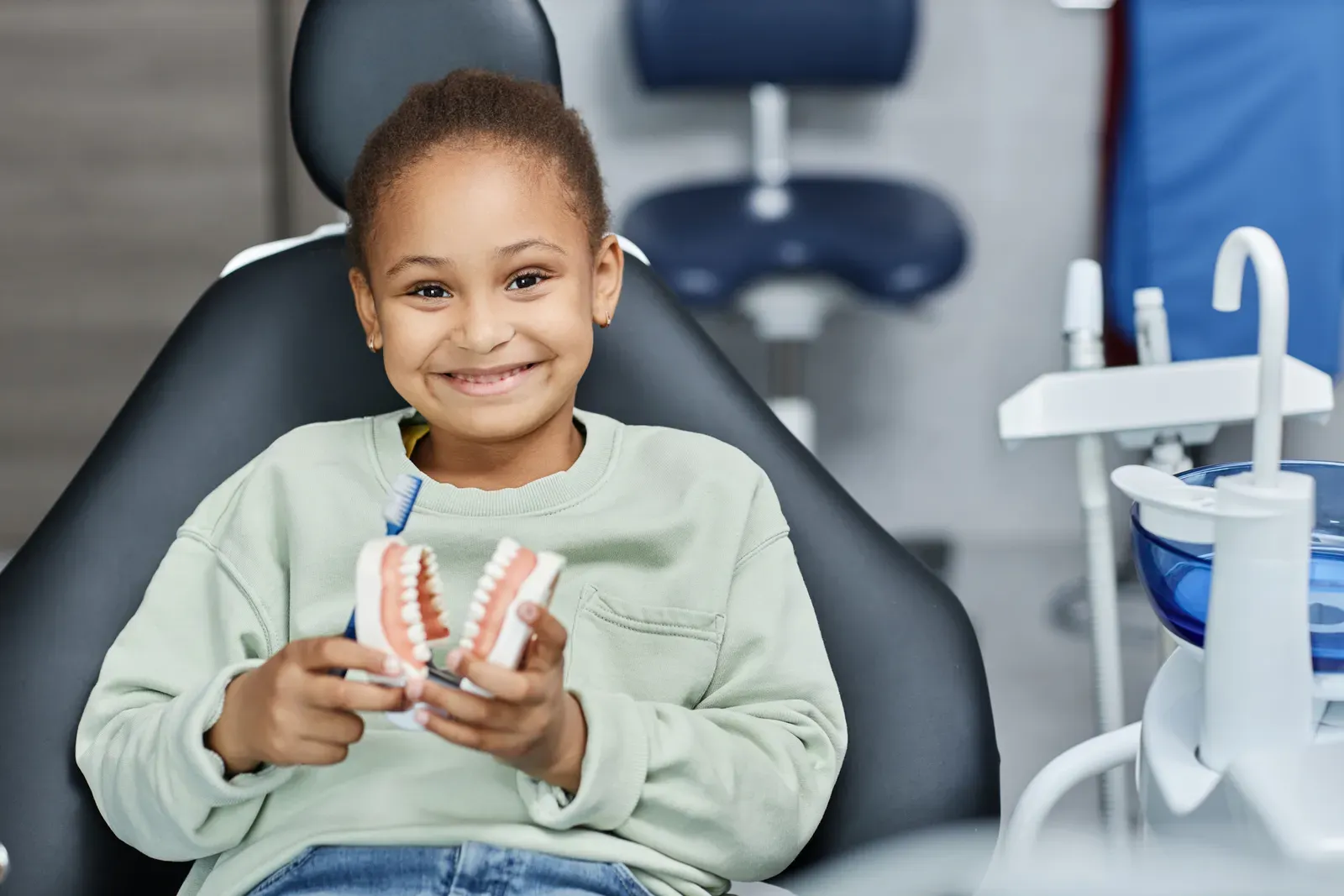
Children's mouths change faster than most parents realize. Baby teeth erupt, shift, and eventually make room for permanent ones on a timeline that is unique to every child, and each stage carries its own risks for cavities, crowding, and habits that can affect a smile for years. At Premier Dental Studio of Katy, our pediatric dentistry program is part of our broader General Dentistry services, built specifically to meet kids where they are, developmentally and emotionally, rather than treating them like small adults.
Many families in Cinco Ranch come to us after a tough first dental experience elsewhere, or because a child has started avoiding brushing, complaining about tooth pain, or showing visible spots on their teeth. We understand how stressful it feels when your child is uncomfortable and you are not sure how serious it is. Our team takes time to explain every step in plain language, lets kids see and touch tools before we use them, and paces each visit around your child's comfort rather than a rigid schedule.
Our clinical approach centers on prevention first. We look closely at tooth development, bite alignment, and oral hygiene habits at every visit so that small issues get addressed before they turn into fillings, infections, or orthodontic concerns down the road. The goal is a child who actually looks forward to the dentist, not one who dreads it.
Kids do not always describe dental pain clearly, and symptoms can show up as behavior changes rather than direct complaints. Here are the signals Cinco Ranch parents most often bring to our attention, and why each one deserves a professional look.
Left unaddressed, these early signs can progress into infections, crowding that needs orthodontic correction, or lasting dental anxiety. A professional evaluation helps separate what is normal development from what truly needs treatment, giving you clarity and a plan rather than guesswork.
Most issues we see in young patients are not caused by one single thing. Diet, habits, genetics, and routine all combine, which is why our evaluations look at the whole picture rather than just the teeth in front of us.
Grazing on crackers, juice, and sweets throughout the day keeps teeth bathed in acid longer than three set meals would, accelerating enamel breakdown even with good brushing.
Young children often lack the dexterity to brush thoroughly on their own, leaving plaque along the gumline and between teeth where cavities commonly start.
Some children are simply born with softer enamel or narrower jaws, making them more cavity-prone or more likely to need orthodontic guidance later.
Sustained sucking habits put consistent pressure on developing teeth and jaw bone, which can lead to an open bite or narrowed upper arch if it continues too long.
Breathing through the mouth dries saliva that normally protects teeth and can influence how the jaw and palate grow during key developmental years.
Skipping routine visits means small cavities and early misalignment go unnoticed until they require more extensive, more costly treatment.
These beverages combine sugar with acidity, a two-pronged attack on enamel that is far more damaging than either factor alone.
Active kids playing soccer, baseball, or basketball without protective gear face a real risk of chips, fractures, or knocked-out teeth from routine collisions.
Every child responds differently to a dental office, so we build each appointment around your child's age, personality, and comfort level rather than rushing through a checklist.
We start by talking with you and your child together, learning about any worries, past experiences, or specific concerns before any clinical tools are introduced.
We examine tooth development, bite alignment, and gum health, using child-sized instruments and, when appropriate, low-dose digital imaging to spot issues early.
We walk you through exactly what we found, what needs attention now, and what to simply monitor, so you always understand the reasoning behind each recommendation.
Whether it is a cleaning, fluoride treatment, or a small filling, we take breaks as needed and keep explanations age-appropriate so your child stays calm throughout.
We track tooth eruption and jaw development across visits, flagging orthodontic concerns early and adjusting home care guidance as your child grows.
Routine, well-managed pediatric dental care does far more than avoid cavities. It shapes habits and confidence that follow your child into adulthood.
Regular checkups catch decay while it is still small and reversible, meaning fewer fillings and far less chance of a painful, urgent visit.
Kids who learn proper brushing, flossing, and diet habits early tend to keep them, reducing dental problems well into their teen and adult years.
Catching crowding or bite issues early can mean simpler, shorter orthodontic treatment later, rather than more complex correction after growth is complete.
Positive early experiences build trust, so your child is far less likely to develop the dental fear that keeps many adults from getting care they need.
Untreated tooth pain disrupts sleep and concentration. Resolving decay early supports steadier rest and fewer missed school days.
Healthy baby teeth hold proper spacing for adult teeth, so infections or early loss do not create crowding problems that need later correction.
It is tempting to think of baby teeth as temporary and therefore less important, but that view overlooks their real job. Primary teeth hold the exact space that permanent teeth will later need. When a baby tooth is lost too early from decay or injury, neighboring teeth can drift into that open space, leaving the permanent tooth underneath with nowhere proper to erupt. This is one of the most common hidden causes of crowding we see in older children.
Baby teeth also play a direct role in speech development and chewing efficiency during years when nutrition and language skills are developing rapidly. An untreated cavity or infection in a primary tooth is not a problem confined to that tooth alone; infection can spread to surrounding tissue and, in some cases, affect the developing permanent tooth bud beneath it.
This is why our pediatric evaluations always look beyond the current tooth in question to the bigger developmental picture. We assess spacing, eruption timing, and bite relationships at each visit so that decisions about a single tooth are made with an understanding of how that tooth fits into your child's overall growth and future smile.
What happens at home between checkups matters just as much as what happens in our chair. These habits reinforce the care your child receives with us.
Supervise or assist brushing until your child has the dexterity to do it thoroughly on their own, usually around age seven or eight.
Limit sugary drinks to mealtimes and encourage water between, since constant sipping keeps teeth exposed to acid throughout the day.
A rice-grain amount for toddlers and a pea-sized amount for older kids gives protective benefits without excess fluoride exposure.
As soon as two teeth touch each other, floss between them daily to remove plaque a toothbrush simply cannot reach.
Consistent visits let us track growth patterns and catch small issues long before they become uncomfortable or costly.
A properly fitted mouthguard is inexpensive insurance against chipped, cracked, or knocked-out teeth during active play.
These habits make a real difference, but they work alongside professional care rather than replacing it. Regular exams remain the only reliable way to catch problems that are not yet visible at home.
"Our goal with every young patient is simple: make this visit a little easier than the last one, and give families the information they need without any pressure. A calm child today becomes a confident, cavity-free adult tomorrow."
Answers to the questions Cinco Ranch parents ask most often about pediatric dental care at our practice.
Schedule your visit today and experience boutique, personalized dental care designed around you.

 6940 Katy-Gaston Rd Ste 200, Katy, TX 77494
 (281) 271-5100
